Metro Line 1 in Ho Chi Minh City: Fares, Hours, Stations
A single trip on Metro Line 1 costs VND 7,000 to VND 20,000 in cash, by distance, or VND 6,000 to VND 19,000 non-cash. A day pass costs VND 40,000. In the August 2026 timetable trains ran from 5 a.m. to 10 p.m. Monday to Thursday and until 11 p.m. Friday to Sunday.
On this page
The cheapest cash ticket on Metro Line 1 is VND 7,000 and the dearest is VND 20,000, priced by distance. Non-cash payment is a little lower, VND 6,000 to VND 19,000. Those are the fares the city announced on 21 November 2024.
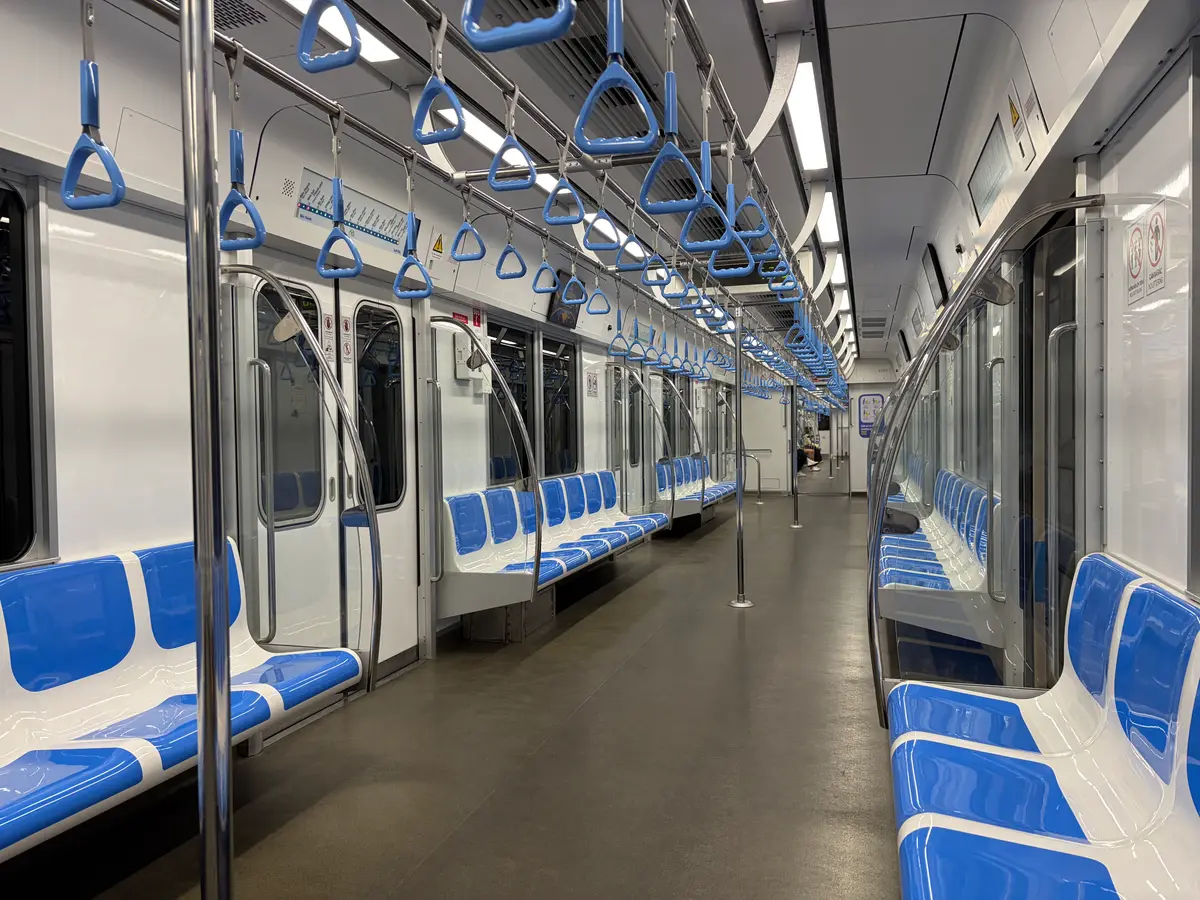
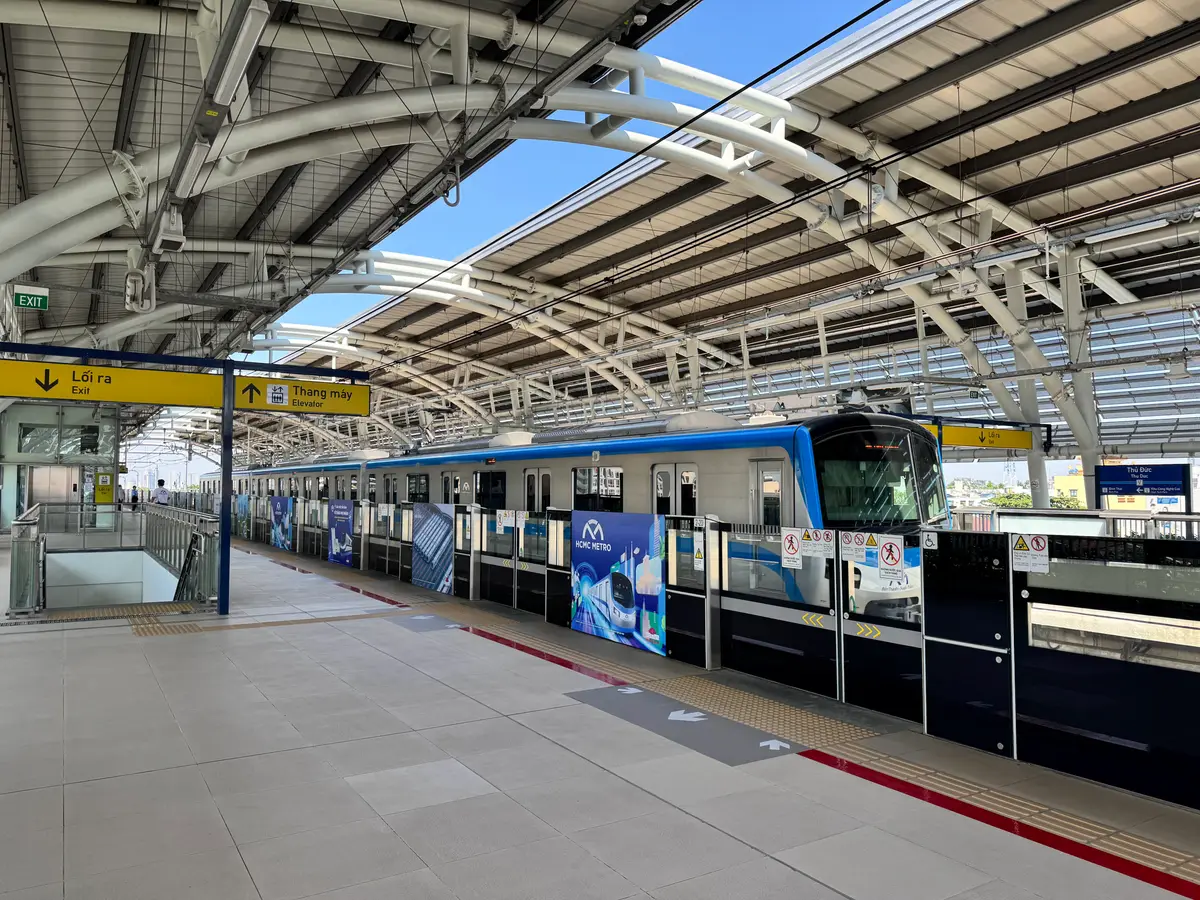
The line runs 19.7 km through 14 stations, from Ben Thanh to Suoi Tien Bus Station. Still choosing an area? Where to live in Ho Chi Minh City compares several. The cost of living guide prices transport beside rent and food.
Metro Line 1 ticket prices
Single trips are priced by travel distance, and the city also sells day and monthly passes. A day pass gives unlimited travel within the day, and a three-day pass covers three consecutive days. A monthly pass gives unlimited travel throughout the month. Every ticket includes passenger insurance.
Who rides free
The fare announcement lists free travel from 1 January 2025 for these groups:
- People with revolutionary contributions.
- People with disabilities.
- Senior citizens over 60.
- Children under six, when accompanied by an adult.
How to buy a ticket and pay
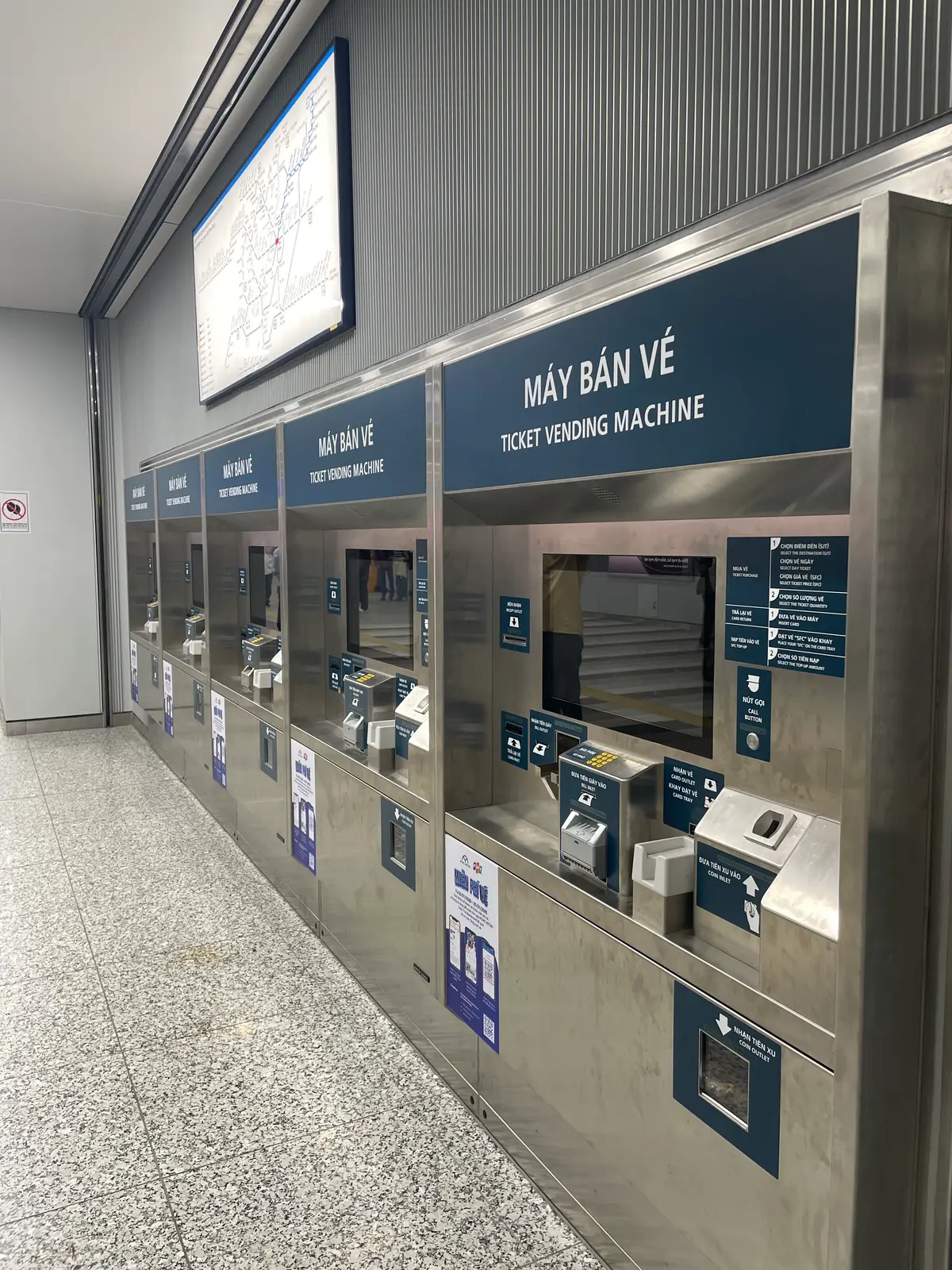
Tickets are sold at the station, in the HCMC Metro app and in e-wallets such as MoMo and ZaloPay. Contactless payment works by bank card or by a phone wallet linked to one. The VNeID app becomes a third route on 15 October 2026. The announcement does not say whether foreign passport holders can use it.
Once the option is live:
- Open VNeID, choose Transport services, then the centralised transport platform, then Metro.
- Pick single-trip by station, one-day, three-day or standard monthly.
- Pay with the QR code shown on screen.
- Find the e-ticket under My Tickets.
- Scan its QR code at the gate when you enter and again when you leave; each code is valid for one passenger.
The standard monthly pass is scanned at the gate with a chip-based citizen ID card or an ID card. If a purchase fails, contact the Zalo OA “Hub Giao thong - hubgiaothongvn” or call 1900.638.885.
Metro Line 1 hours and how often trains run
The newest timetable found covers 6 to 16 August 2026. Trains ran from 5 a.m. to 10 p.m. Monday to Thursday, and until 11 p.m. on Fridays, Saturdays and Sundays.
At weekday peak hours trains ran every 6 minutes. On Saturdays and Sundays they ran every 7 to 8 minutes, and off-peak every 10 to 15 minutes.
From 2 January to 31 May 2026 the line ran 246 train trips a day Monday to Thursday and 250 a day at weekends. That is a guide to frequency, not a current schedule. Times are posted on the MultiGo app and on buyttphcm.com.vn, or by calling hotline 1022, option 9.
The 14 stations
The stops, in order, are Ben Thanh, Opera House (Nha hat Thanh pho), Ba Son, Van Thanh Park, Tan Cang, Thao Dien, An Phu and Rach Chiec. Then come Phuoc Long, Binh Thai, Thu Duc, High-Tech Park, National University and Suoi Tien Bus Station.
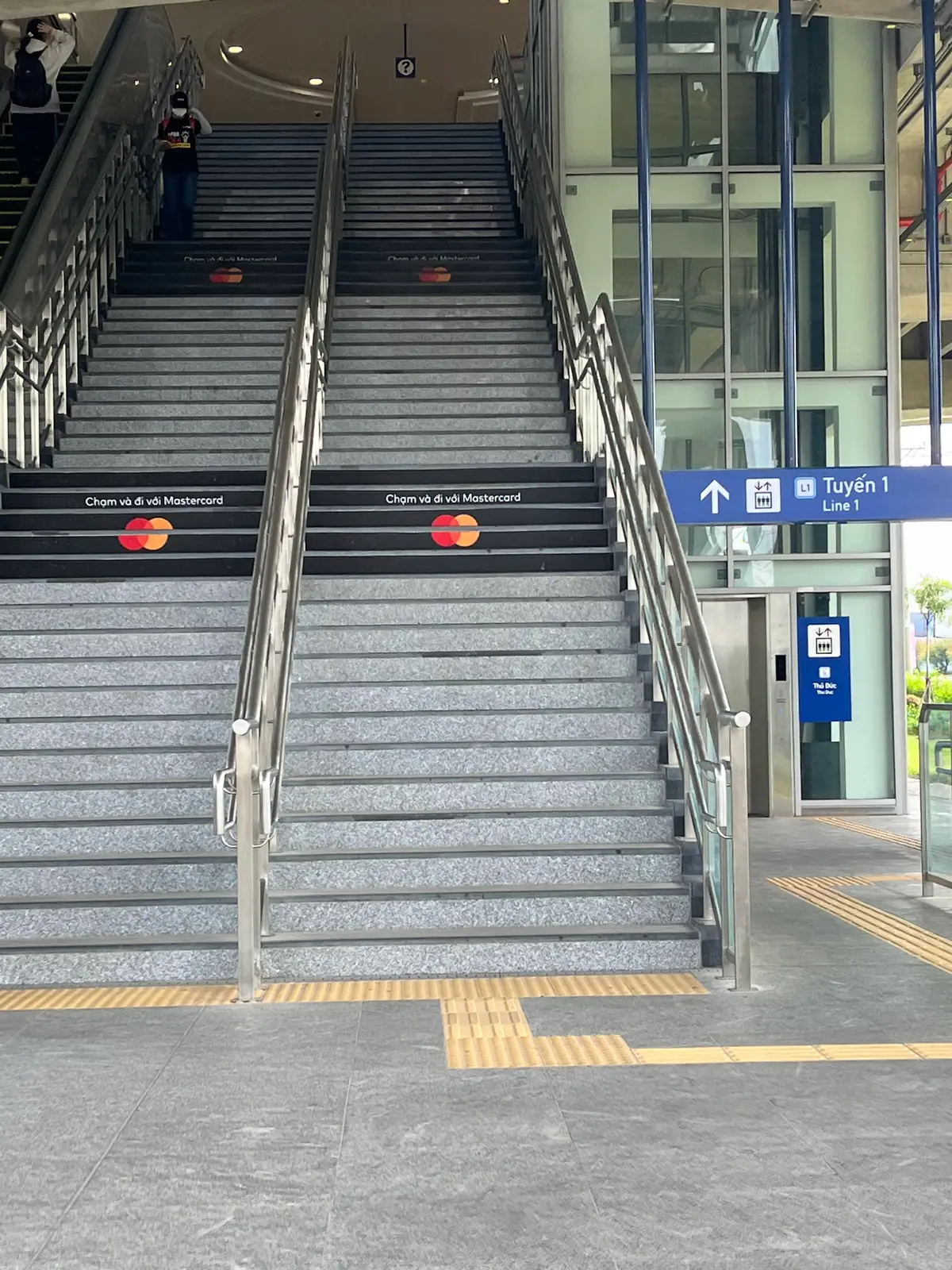
Footbridges at nine stations, from Tan Cang to National University, link to facilities along Vo Nguyen Giap and the Hanoi Highway. When the line opened in December 2024, parking was provided at Van Thanh Park, Thao Dien, Rach Chiec, Phuoc Long, Binh Thai and Suoi Tien Bus Station.
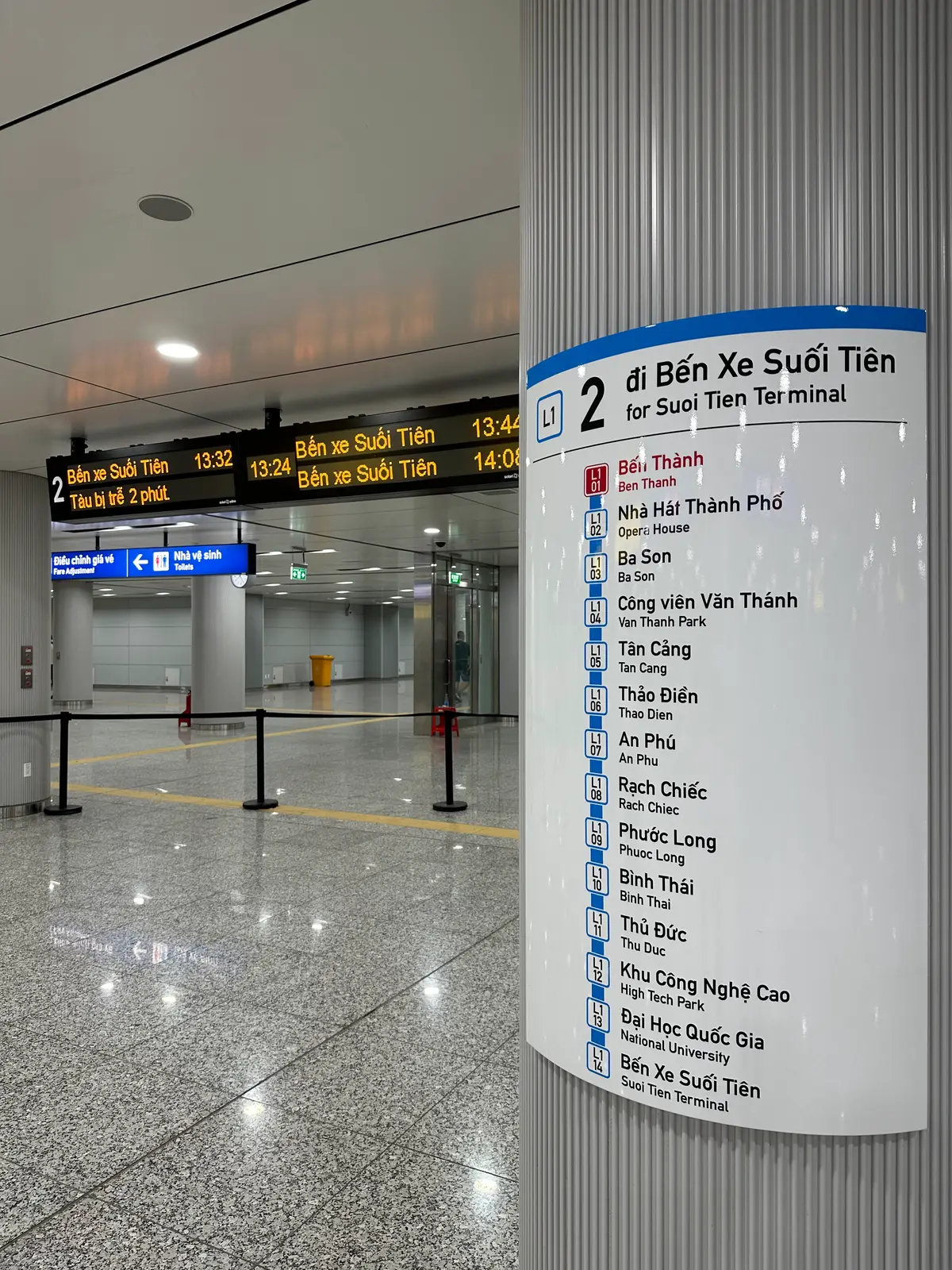
Ben Thanh and Thu Duc stations
Ben Thanh station (Ga Metro Ben Thanh)
Ben Thanh is the first station on the line, and the line ends at Suoi Tien Bus Station.

Ben Thanh, Ho Chi Minh, Vietnam · Open in Google Maps (opens in a new tab)
Open Ben Thanh station in Google Maps (opens in a new tab)
Thu Duc station
Thu Duc is one of the nine stations with a footbridge. It is the eleventh stop from Ben Thanh.
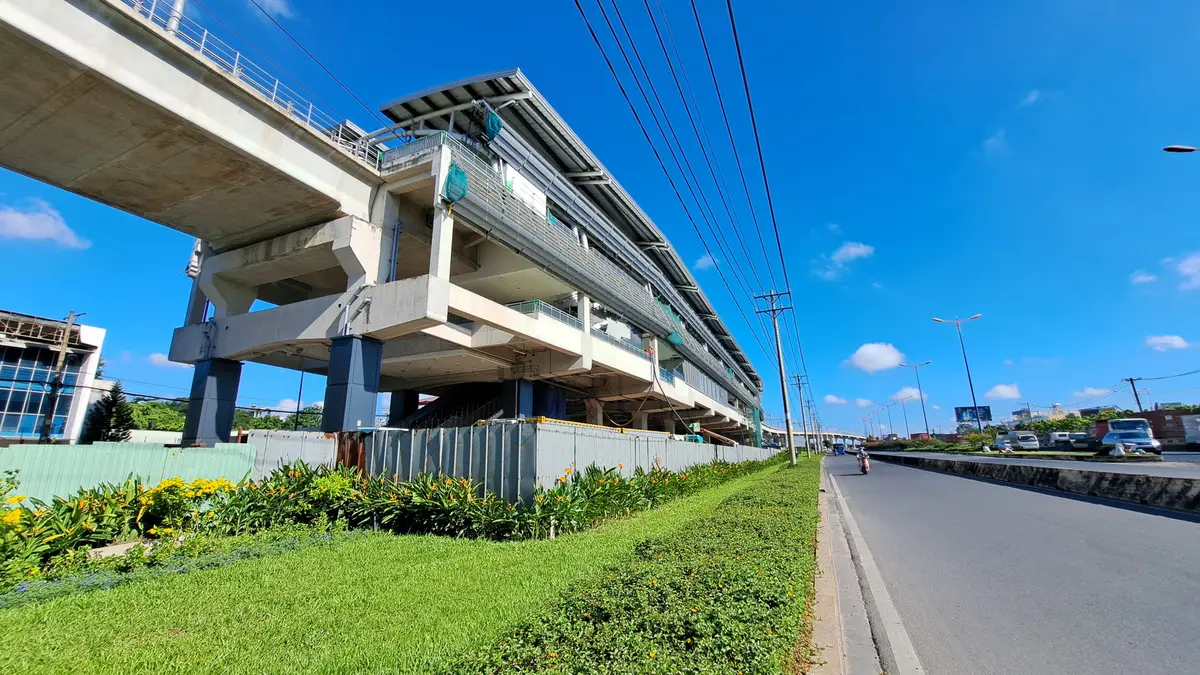
RQWC+GJX, Thu Duc, Ho Chi Minh, Vietnam · Open in Google Maps (opens in a new tab)
Open Thu Duc station in Google Maps (opens in a new tab)
Before you go
- Carry a bank card or an e-wallet, since tickets are bought with either.
- Check the day’s hours in MultiGo before a late ride.
- City buses are free on 134 routes from 1 July to 31 December 2026. The fares above are the metro’s own.
- If you ride in, parking areas were set up at the stations named in the stations section.
Photos and clips uploaded to Google Maps (Ben Thanh Metro Station on Google Maps (opens in a new tab), Thu Duc Metro Station on Google Maps (opens in a new tab)) by Google Maps contributor, Nguyen Vu, Ly Truc, Toan Huynh, Tan Minh Nguyen, David Nguyen, Get Go.
Step by step
- Pick a ticketChoose a single trip, a one-day or three-day pass, or a monthly pass; single trips are priced by distance.
- Buy and payBuy at the station, in the HCMC Metro app or an e-wallet, or pay contactless with a bank card or phone wallet.
- Or buy in VNeIDFrom 15 October 2026 pay by the QR code shown on screen and keep the e-ticket under My Tickets.
- Scan at the gateScan the QR code at the gate on entry and again on exit.
Not confirmed: No timetable after 16 August 2026 was found; check the MultiGo app before a late ride. The VNeID ticket option does not say whether foreign passport holders can use it. Foreign-issued bank cards at the gate and foreign residents over 60 riding free are not stated.
Common questions
How much is a single metro ticket?
Cash fares run from VND 7,000 to VND 20,000 depending on distance, and non-cash fares from VND 6,000 to VND 19,000.
How late does the metro run?
The latest timetable found, for 6 to 16 August 2026, ran until 10 p.m. Monday to Thursday and until 11 p.m. on Fridays, Saturdays and Sundays.
Can I tap a bank card to pay?
Contactless payment by bank card is listed, as is Apple Pay, Google Pay or Samsung Pay linked to a bank card.
Do children ride free?
The fare announcement lists children under six accompanied by an adult for free travel from 1 January 2025.
Can I buy a metro ticket in VNeID?
From 15 October 2026 passengers can buy tickets in the VNeID app. Open Transport services, then the centralised transport platform, then Metro.
How many stations are there?
There are 14 stations along 19.7 km, ending at Suoi Tien Bus Station.
Who do I call if a purchase fails?
Contact the Zalo OA Hub Giao thong or call 1900.638.885.
Read next
Places in this guide
General information checked against the sources listed above, not legal advice for your situation. Rules and office practice change; confirm with the immigration office or a licensed adviser before you act. See how guides are checked.
Spotted an error? Report it.