Temporary Residence Card in Ho Chi Minh City: Eligibility, Fees
A temporary residence card is open to foreigners staying in Vietnam who qualify for one of the listed visa symbols. It costs US$145, US$155 or US$165 by validity. Your sponsor files the dossier. Processing takes 5 working days from a complete dossier. In Ho Chi Minh City, the sponsor files at the provincial immigration office.
On this page
- Which case are you?
- Who is eligible
- How long the card lasts
- Fee by validity
- Who files the application
- Filing in Ho Chi Minh City
- What goes in the dossier
- Filing online
- Processing and collecting the card
- Step by step: from visa to card
- Card or stay extension?
- Where the card matters
- Why a card request fails
- Step by step
- Common questions
A temporary residence card is valid in place of a visa. Your employer or a relative sponsors it, and the sponsor files it, not you.
Which case are you?
- You hold a work permit: you are normally issued a matching LD1 or LD2 labor visa, and both symbols qualify you for a card.
- You do not need a work permit: the dossier takes a confirmation that no work permit is needed.
- A relative sponsors you: the sponsor’s request is form NA7 for an individual.
- Your employer is a local company: the request is form NA6 for an organisation.
- You hold a DN1 or DN2 business visa: the list does not include these symbols.
- You are on a tourist visa, e-visa or visa exemption: the list has no tourist or e-visa symbol.
- You are a student on a DH visa: DH is on the list. Ask your school whether it will sponsor you.
- You want a longer stay on your visa: that is an extension, which your sponsor files.
Who is eligible
A card can be issued to a foreigner in the categories listed in Article 36. For foreigners staying in Vietnam, the amended list reads:
b) Người nước ngoài đang tạm trú tại Việt Nam thuộc diện được cấp thị thực có ký hiệu LV1, LV2, LS, ĐT1, ĐT2, ĐT3, NN1, NN2, DH, PV1, LĐ1, LĐ2, TT, UĐ1, UĐ2.
A foreigner temporarily residing in Vietnam who falls in the category eligible for a visa marked LV1, LV2, LS, DT1, DT2, DT3, NN1, NN2, DH, PV1, LD1, LD2, TT, UD1 or UD2.
Law 47/2014/QH13, Điều 36 khoản 1 điểm b, as amended by Law 118/2025/QH15
Law 118/2025/QH15 took effect on 1 July 2026. It added holders of the new UD1 and UD2 visas to the list.
A card under this point carries a symbol matching the visa symbol. The foreigner must also have entered Vietnam for a lawful purpose and must not fall under the cases of refused entry or suspended exit.
Diplomatic and consular staff, and UN and inter-governmental office staff, get a card marked NG3.
How long the card lasts
Each card symbol has its own maximum validity:
| Card symbol | Maximum validity |
|---|---|
| DT1, UD1, UD2 | 10 years |
| NG3, LV1, LV2, LS, DT2, DH | 5 years |
| NN1, NN2, DT3, TT | 3 years |
| LD1, LD2, PV1 | 2 years |
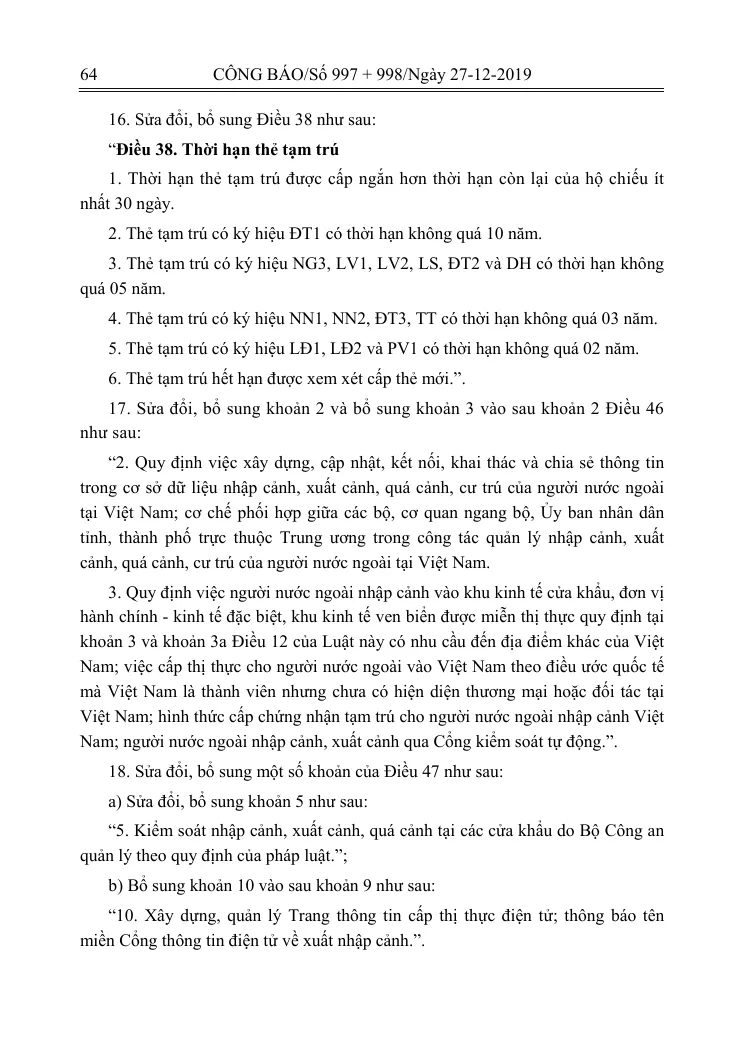
A card’s validity, whatever its symbol, must be set at least 30 days shorter than the remaining validity of your passport. When a card expires, the holder can be considered for a new card.
Fee by validity
The government fee rises with the validity you are issued:
| Card validity | Fee |
|---|---|
| Up to 2 years | US$145 |
| Over 2 to 5 years | US$155 |
| Over 5 to 10 years | US$165 |
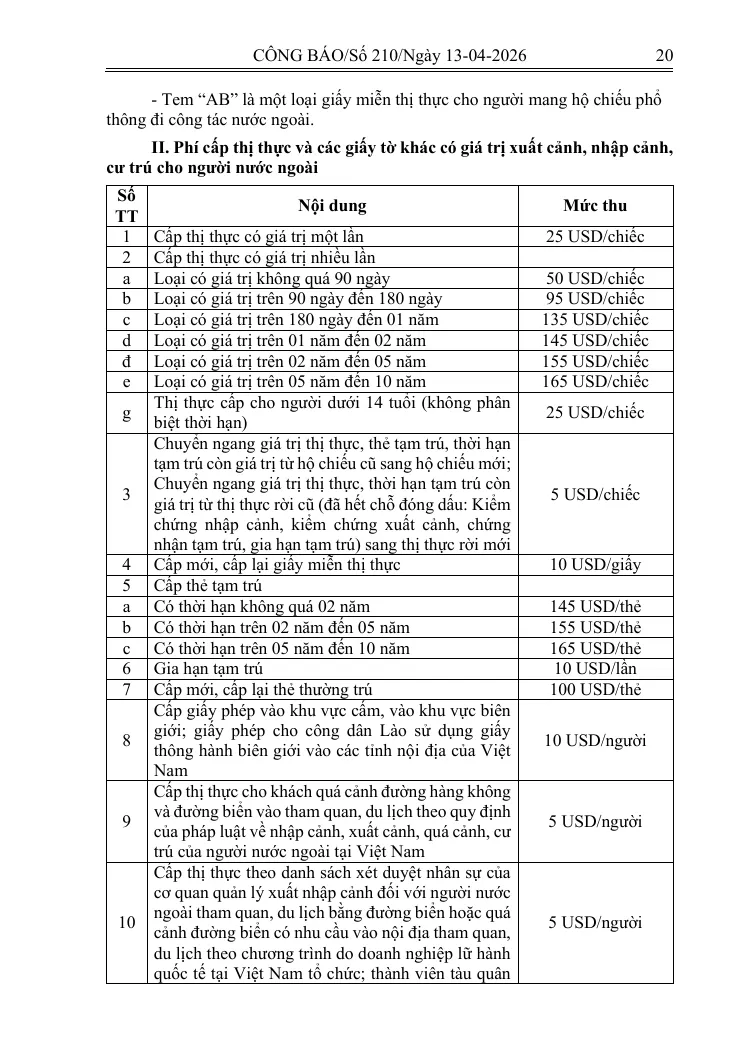
A card that is lost, damaged or expired and must be re-issued costs the same as a new one. Moving a still-valid card to a new passport costs US$5.
Fees for foreigners are collected in dong or US dollars. If you are not eligible, or you refuse the result, the fee already paid is not refunded. The full table is in Vietnam immigration fees.
Who files the application
The inviting or sponsoring organisation or individual files the dossier itself. It files at the provincial police immigration authority where the organisation has its seat or the individual sponsor lives.
A local organisation or enterprise also files a certified copy of its licence or establishment decision. That filing is made once, and the organisation notifies the authority in writing if its content changes.
Filing in Ho Chi Minh City
The city police Immigration Management Division is the provincial-level office for the city. It is at 196 Nguyen Thi Minh Khai Street, Vo Thi Sau Ward, District 3.
Resolution 1685/NQ-UBTVQH15 merged Vo Thi Sau Ward into the new Xuan Hoa Ward. Use the new ward name on a map or with a driver.
The office is open Monday to Saturday: morning 7h to 11h30, afternoon 1h30 to 5h, and Saturday morning only. Nationally, dossiers are received Monday to Saturday morning. Go in the morning.
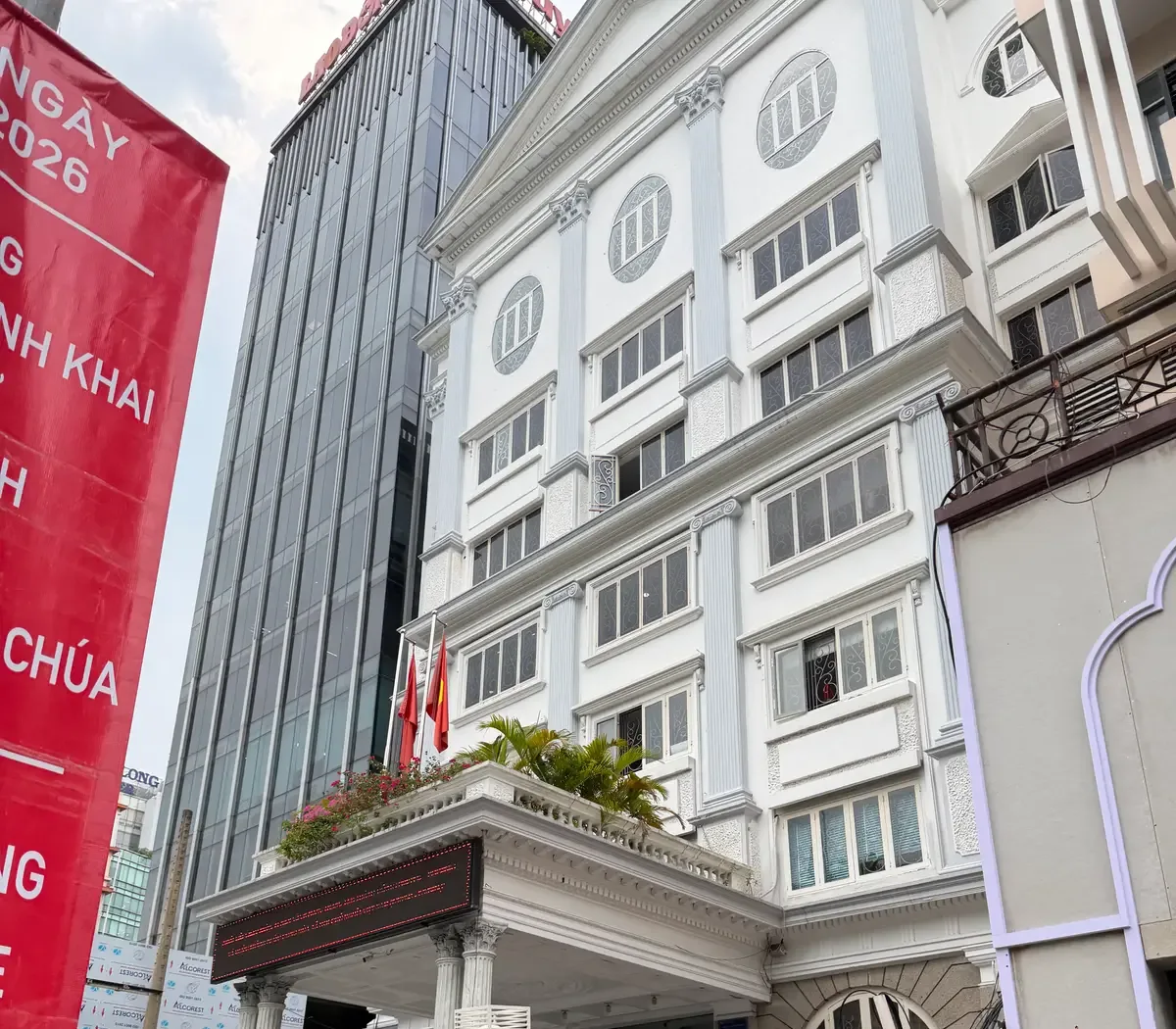
Dossiers are received Monday to Saturday morning, except Tet and public holidays. Results are handed out Monday to Friday, except Tet and public holidays.
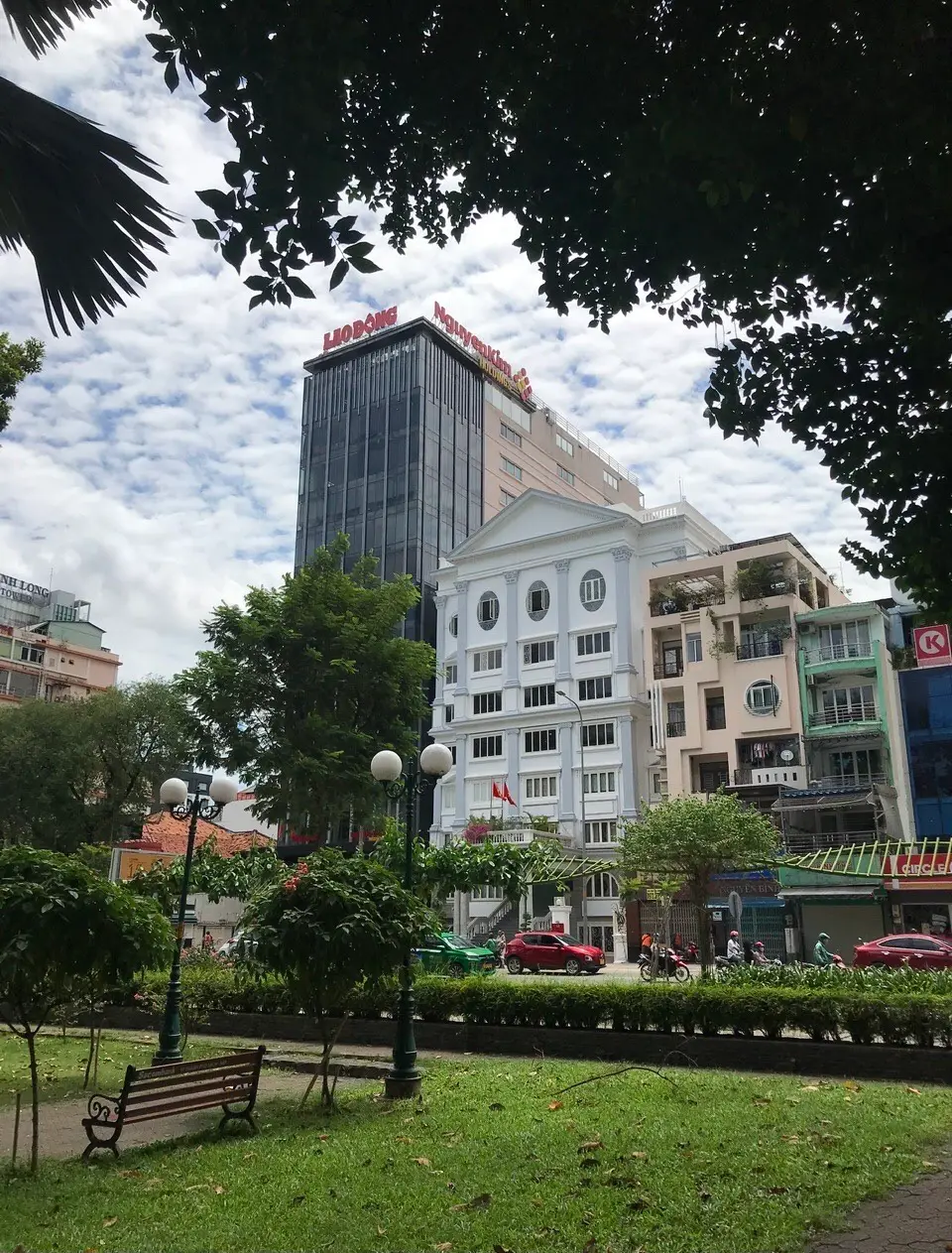
196 Nguyen Thi Minh Khai, Xuan Hoa, Ho Chi Minh, Vietnam · Open in Google Maps (opens in a new tab)
What goes in the dossier
The law sets four items:
- The sponsor’s written request: form NA6 for an organisation or NA7 for an individual.
- The card declaration, form NA8, with a photo attached.
- Your passport.
- Papers proving you fall under a listed case. These include a work permit, a confirmation that no work permit is needed, or a confirmation as head of a representative office or board member.
Circular 70/2026/TT-BCA amended form NA8 and is in force from 1 July 2026. The new form asks for 2 recent photos of 2 cm by 3 cm on a white background, facing straight, with no hat or glasses. One is stuck on the form and one is loose.
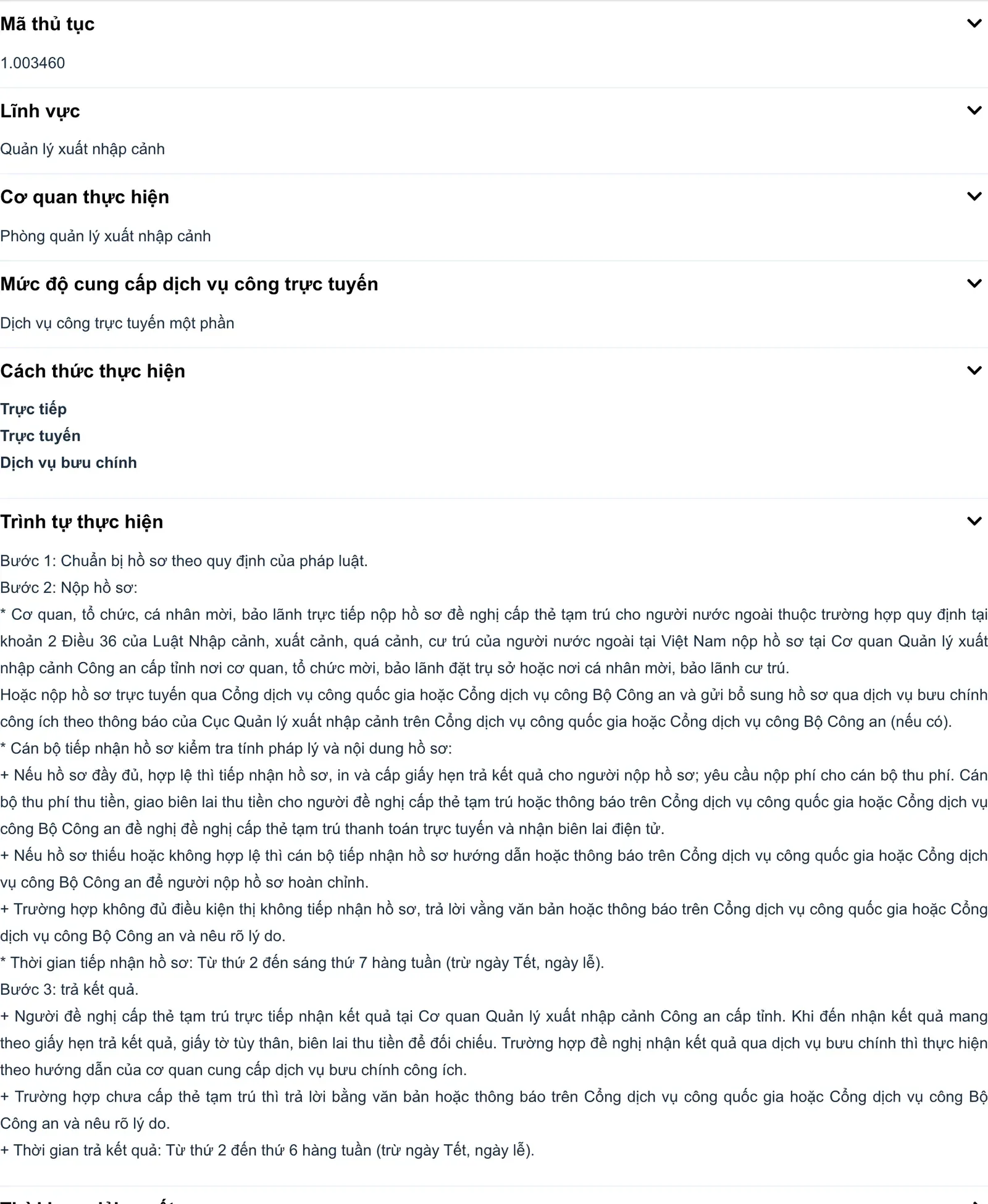
The form note says you file one completed form with the passport and either the organisation’s official letter or a relative’s sponsorship letter.
Filing online
The sponsor can file through the National Public Service Portal or the Ministry of Public Security portal. Further papers are then sent by public post, as the immigration department notifies.
When the dossier is filed online, the passport must be sent through the public postal service to the receiving office. The procedure carries code 1.003460.
Processing and collecting the card
Processing takes 5 working days from the date a complete dossier is received. If the dossier is complete, the officer issues an appointment slip and asks for the fee to be paid to the fee collector.
To collect the card, bring the appointment slip, ID and the fee receipt.
Step by step: from visa to card
- Check that your visa symbol is on the list in Article 36.
- Ask your sponsor to prepare the request, form NA8 with its photo, your passport and papers proving eligibility.
- The sponsor files at the provincial police immigration authority, in person or online.
- The officer receives a complete dossier, issues an appointment slip and asks for the fee.
- Come back with the slip, ID and fee receipt, Monday to Friday.
Card or stay extension?
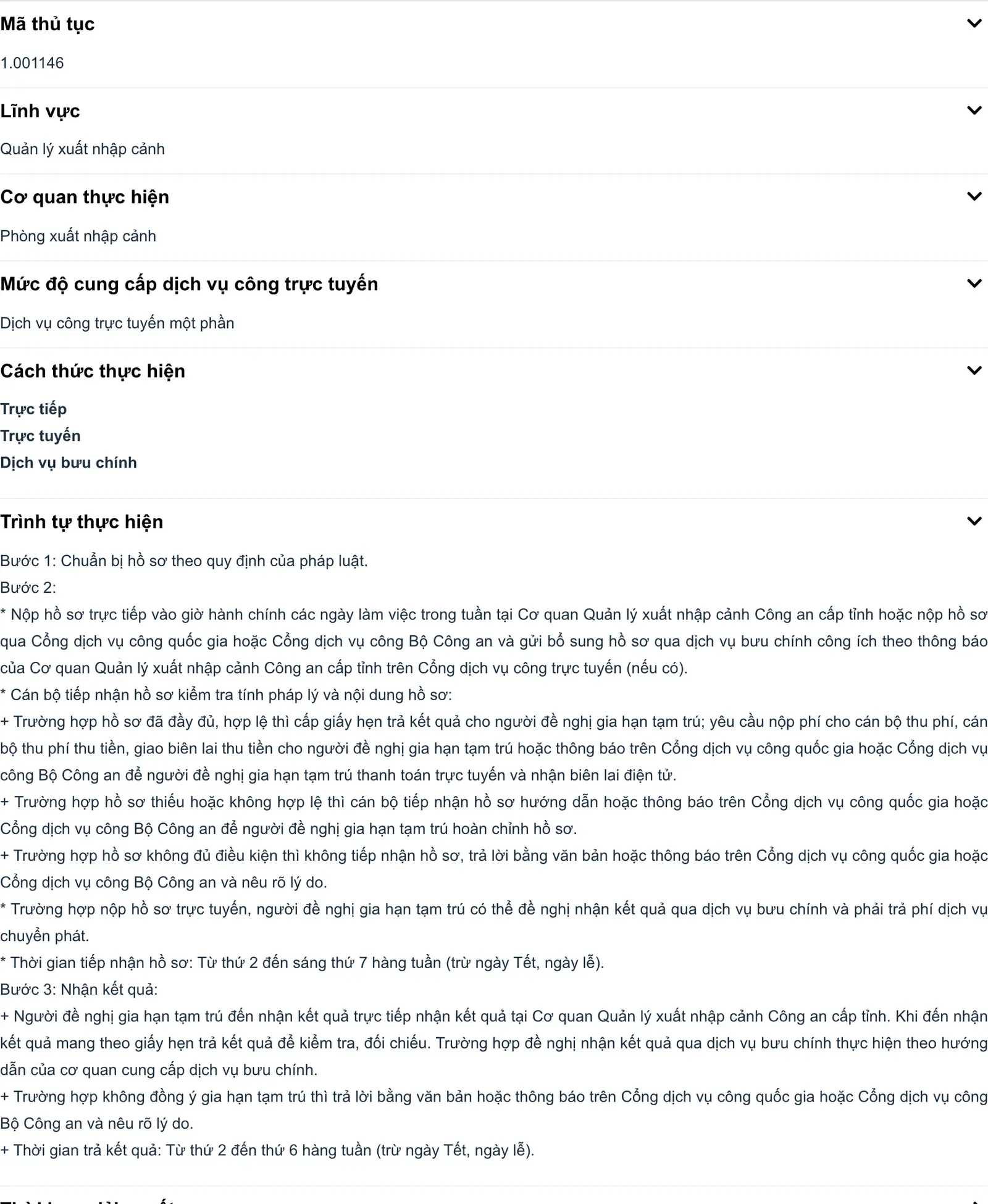
An extension is a different procedure. Your sponsor files it with the immigration authority. It uses form NA5, not the NA8 card declaration. See extend a visa in Ho Chi Minh City.
Where the card matters
- To register a vehicle as a foreigner living and working in Vietnam, you present a card with 6 months or more of residence validity left.
- To convert a foreign driving licence, a card valid for 90 days or more is one of the documents accepted.
If you move, or your passport details change, your address is declared again. The steps are in registering temporary residence in Ho Chi Minh City.
Why a card request fails
A foreigner who acts outside the purpose or programme stated when applying for a visa, card or extension is fined VND 20,000,000 to 25,000,000.
For the other visa types, see Vietnam visa types. Recent rule changes are in Vietnam visa changes in 2026.
Photos and clips uploaded to Google Maps (Immigration Office HCMC on Google Maps (opens in a new tab)) by Nghia Nguyen Huu, Tri Nh.
Step by step
- Check your visa symbolCompare the symbol on your visa with the listed symbols.
- Prepare the dossierGather the sponsor's request, form NA8 with its photo, your passport and papers proving eligibility.
- Your sponsor filesThe sponsoring organisation or individual files at the provincial police immigration authority.
- Pay the fee and keep the slipThe officer issues an appointment slip and asks for the fee.
- Collect the cardBring the appointment slip, ID and the fee receipt. Processing takes 5 working days from a complete dossier.
Not confirmed: Whether a relative sponsor files the same papers as an employer. Ask the office before you go. Which counter window takes card dossiers. Ask on arrival.
Common questions
How long does a card take to issue?
5 working days from the date a complete dossier is received.
Can the application be sent online?
Yes, through the National Public Service Portal or the Ministry of Public Security portal. The passport must then be sent through the public postal service.
What photos do I need?
2 recent photos of 2 cm by 3 cm on a white background, facing straight, no hat or glasses, 1 stuck on the form and 1 loose.
Which days are results handed out?
Monday to Friday, except Tet and public holidays.
Does the card replace my visa?
A card is issued to a foreigner permitted to reside in Vietnam for a fixed period, and it is valid in place of a visa.
Can a DN1 or DN2 visa holder get a card?
The Article 36 list does not include DN1 or DN2. A work permit holder is normally issued an LD1 or LD2 visa, and both qualify.
Are UD1 and UD2 holders eligible?
Yes. Law 118/2025/QH15 added UD1 and UD2 holders to the list. Those cards are valid for a maximum of 10 years.
Which forms are used?
Form NA8 is the card declaration, with NA6 from an organisation or NA7 from an individual. A stay extension uses NA5 instead.
Is the fee refunded if I do not qualify?
No. If the applicant is not eligible or refuses to accept the result, the fee already paid is not refunded.
What happens when the card expires?
The holder can be considered for a new card.
Read next
General information checked against the sources listed above, not legal advice for your situation. Rules and office practice change; confirm with the immigration office or a licensed adviser before you act. See how guides are checked.
Spotted an error? Report it.